Receiving e-invoices: What businesses need to be able to do now
Businesses have generally had to be able to receive e-invoices since 1 January 2025, regardless of the transition periods for issuing them.
Cloud, advertising, purchasing: have invoices collected from your portals. Once connected, new receipts land collected in allinvoice – ready for your team.
In the current scope of services: Starter, Business, Scale.
Find your provider Amazon Web Services
 Google Ads
 Mollie
 Your document inbox
Open fewer portals.
Keep a better overview.
The scope depends on your provider account, its enabled features and the available archive. Google Ads, for example, requires monthly invoicing. Mollie provides its own fee invoices only for live accounts. Setup shows the requirements for your source.
18 sources
Cloud invoices from your billing account.

Invoices from supported Azure billing agreements.

Invoices from your cloud account.

Structured cloud invoices including line items.

Invoicing documents of your OVHcloud billing.
Monthly invoices with monthly invoicing.

Monthly invoices of the linked advertising account.
Mollie’s own fee invoices from your live account.

Invoices and available expense documents.

Original receipts for your account spending.

Expense documents including available e-invoices.

Invoices and associated documents when invoice access is activated.

PDF documents for expenses already made available for export.

Purchase invoices and credit notes from Europe and Japan.

Shipping invoices and credit notes from the available archive.

Received invoices with available original files.

Purchase invoices and supplier credit notes.

Incoming invoices and credit notes as e-invoice.
No provider found. Try a different search term or select a different category.
The available scope depends on your provider access. Some sources require additional activation; the prerequisites can be found in the setup.
You define the sources. allinvoice collects the documents. Your team makes the decisions.
Owner and admin connect the appropriate source in the protected integration area and check the access. The requirements of the individual providers are explained there.
To the protected integration areaSet the retrieval period and interval. Invoices and credit notes are regularly taken over; already collected documents are recognised. You can see the last retrieval and possible errors on the connection.
The software imports invoice details for review. Your team fills in missing information, reviews and approves them. Original e-invoices are retained; if the provider has no original file, the available structured invoice data is imported.
More about invoice reviewRetrieval uses the monthly document allowance included in your subscription and any additional documents you have purchased.
Start retrieval for an earlier period to complete your document collection. Previously imported documents are recognised. How far back you can go depends on the provider’s archive.
Organize invoices and other business documents in a common document management system – with folders, previews and a clear status of processing.
Check the extracted invoice data directly beside the original. Fill in missing details and confirm the reviewed data in one shared view.
Send invoices, quotations, delivery notes and contracts to your document email address. allinvoice recognises the document type, assigns the documents to your company and files them automatically. You save yourself the work of downloading, sorting and filing attachments.
Businesses have generally had to be able to receive e-invoices since 1 January 2025, regardless of the transition periods for issuing them.
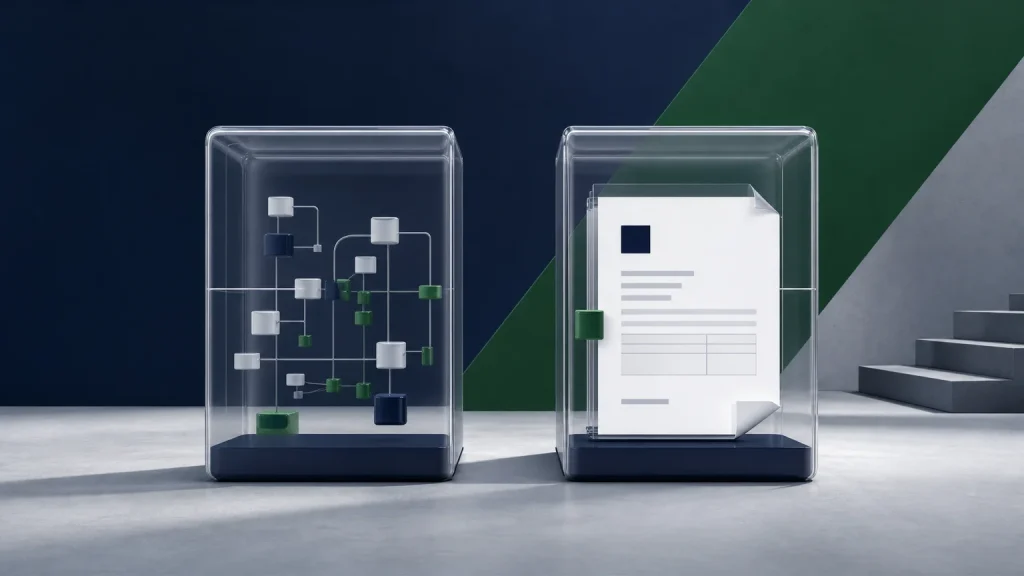
German law does not designate either XRechnung or ZUGFeRD as the sole winning format. This comparison shows how data structure, profiles and recipient requirements determine the right choice for self-employed people and SMEs.