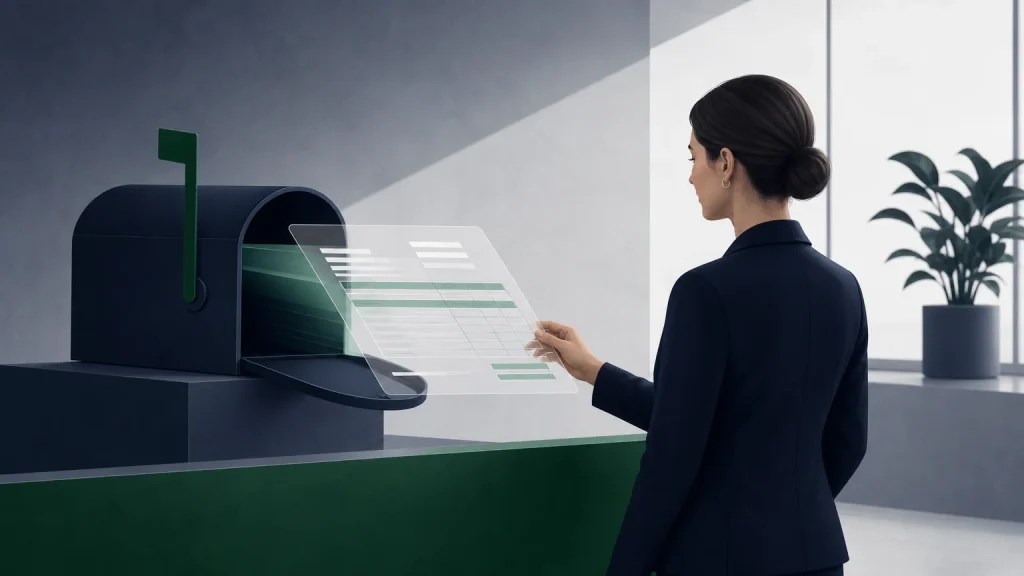
Receiving e-invoices: What businesses need to be able to do now
Businesses have generally had to be able to receive e-invoices since 1 January 2025, regardless of the transition periods for issuing them.
Organize invoices and other business documents in a common document management system – with folders, previews and a clear status of processing.
View plansIn the current scope of services: Starter, Business, Scale.
Invoices, contracts, delivery notes or proof of payment: keep business documents in one shared repository. The folder tree leads directly to the relevant area. Your own subfolders supplement the predefined document types.
Switch between a paginated table and tile view. File previews help with recognition. Multiple selection, move and context menu make editing larger amounts easier.
Invoices are classified as unaudited, audited and approved. The processing takes place on the associated invoice data record; a mere move does not replace review or approval. An incorrectly recognized document can be explicitly assigned as “no invoice”.
Open the invoice folders, review the unchecked documents and find the original for a query directly in the preview.
allinvoice uses sorting methods to assign your documents to the appropriate folders. Language models are not needed for this. You can check and change the classification.
Check the extracted invoice data directly beside the original. Fill in missing details and confirm the reviewed data in one shared view.
Send invoices, quotations, delivery notes and contracts to your document email address. allinvoice recognises the document type, assigns the documents to your company and files them automatically. You save yourself the work of downloading, sorting and filing attachments.
Businesses have generally had to be able to receive e-invoices since 1 January 2025, regardless of the transition periods for issuing them.
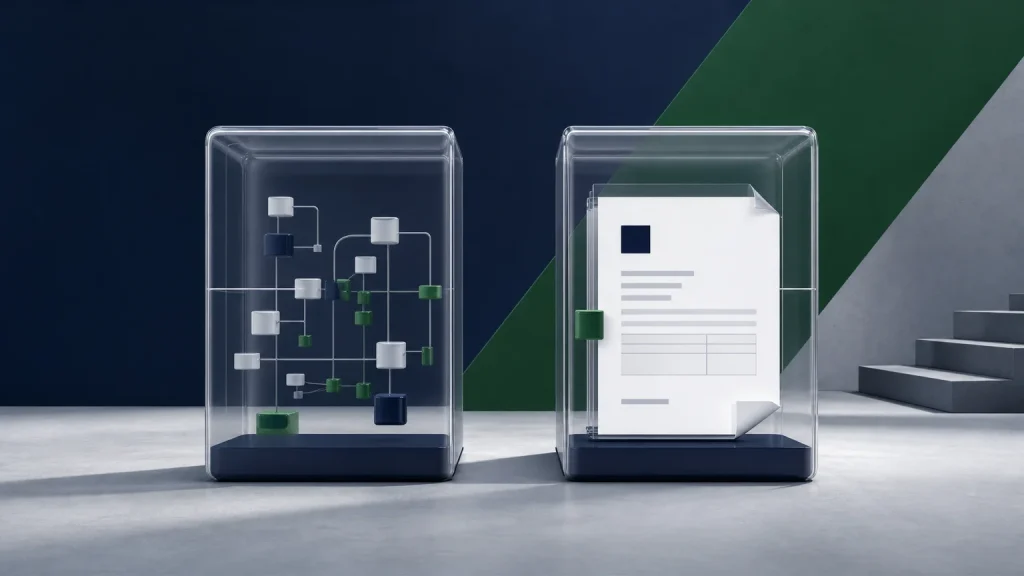
German law does not designate either XRechnung or ZUGFeRD as the sole winning format. This comparison shows how data structure, profiles and recipient requirements determine the right choice for self-employed people and SMEs.