Receiving e-invoices: What businesses need to be able to do now
Businesses have generally had to be able to receive e-invoices since 1 January 2025, regardless of the transition periods for issuing them.
Which costs belong to which project, location or department? Create your own cost centres and use them when processing invoices. You choose the numbers and names.
View plansIn the current scope of services: Starter, Business, Scale.
Cost centres let you assign documents to a particular part of your company. This could be an office, a project or an event. You can see where the costs arose.
Choose a suitable industry template. The owner and administrator can adjust its numbers and names before importing it.
The maintained cost centres are available as a common basis. Existing numbers are retained when supplementing. This reduces the number of different names for the same area.
You create a cost center for an event. During the audit, the associated incoming invoices are assigned to this area.
Set up the chart of accounts used by your accounting team. allinvoice supports SKR03, SKR04 and custom charts, among others. You can review, adopt and add suitable accounts.
Check the extracted invoice data directly beside the original. Fill in missing details and confirm the reviewed data in one shared view.
Maintain company data, address and invoice details centrally. Owner and admin create the common basis for outgoing invoices and master data.
Businesses have generally had to be able to receive e-invoices since 1 January 2025, regardless of the transition periods for issuing them.
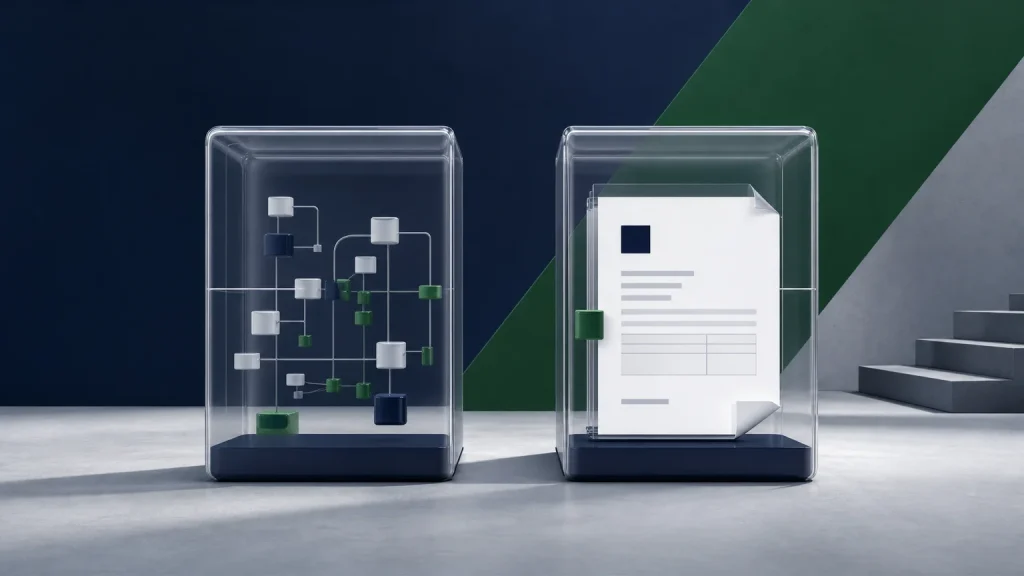
German law does not designate either XRechnung or ZUGFeRD as the sole winning format. This comparison shows how data structure, profiles and recipient requirements determine the right choice for self-employed people and SMEs.