Receiving e-invoices: What businesses need to be able to do now
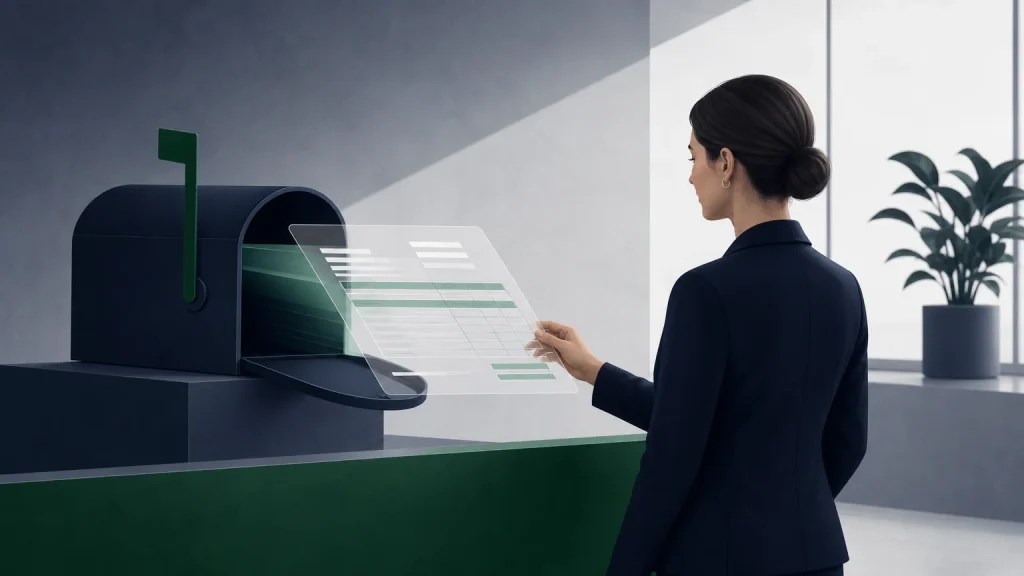
Businesses have generally had to be able to receive e-invoices since 1 January 2025, regardless of the transition periods for issuing them.
Create the appropriate document for an allowance or expense reimbursement. For recurring items, set the period and distinguish amounts due from payments actually confirmed.
View plansIn the current service scope: Business, Scale.
Select the document type and recipient. Then enter the activity, period and amount. Allowances and expense reimbursements are recorded separately.
Set a start date and, if needed, an end date. Each period has its own due amount. You can check separately which amounts are outstanding and which have already been paid.
Owner or accounting confirm the actual receipt with date and reference. A necessary correction remains understandable. This helps to distinguish open commitments from amounts already received.
Record a monthly allowance with an end date. The overview shows the resulting due dates; actual payments are confirmed separately.
Create one record for each volunteer. Each person's activities and allowances are shown in their record. Due amounts and payments actually received are displayed separately.
Create invoices with customer data and catalogue items. Choose PDF, XRechnung or ZUGFeRD and keep track of originals and cancellations.
Who ordered the service? Who checks the invoice? And who decides whether to approve the expense? Clear roles tell your team who does what. Amount thresholds ensure that larger invoices require several people’s approval.
Businesses have generally had to be able to receive e-invoices since 1 January 2025, regardless of the transition periods for issuing them.
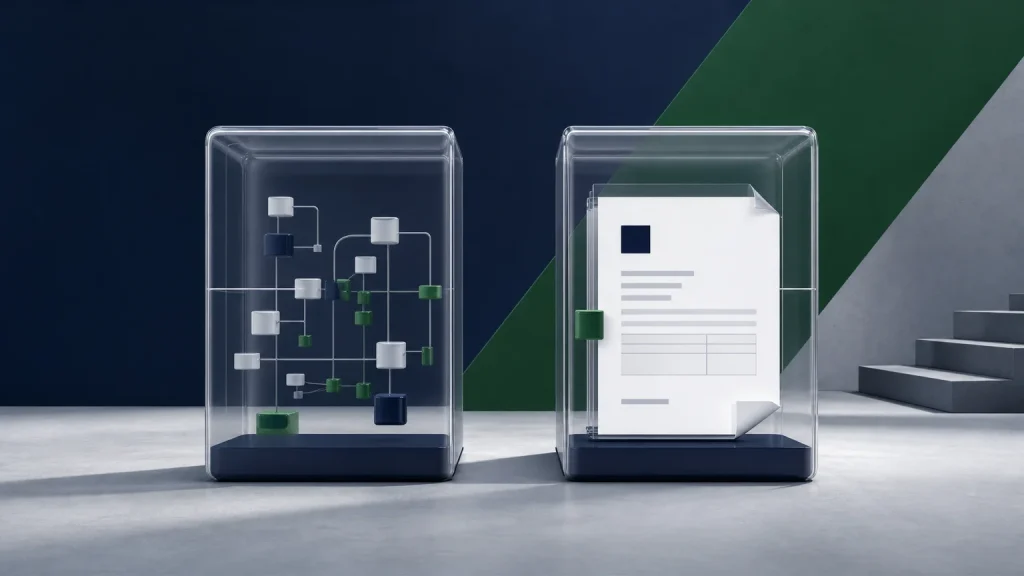
German law does not designate either XRechnung or ZUGFeRD as the sole winning format. This comparison shows how data structure, profiles and recipient requirements determine the right choice for self-employed people and SMEs.