
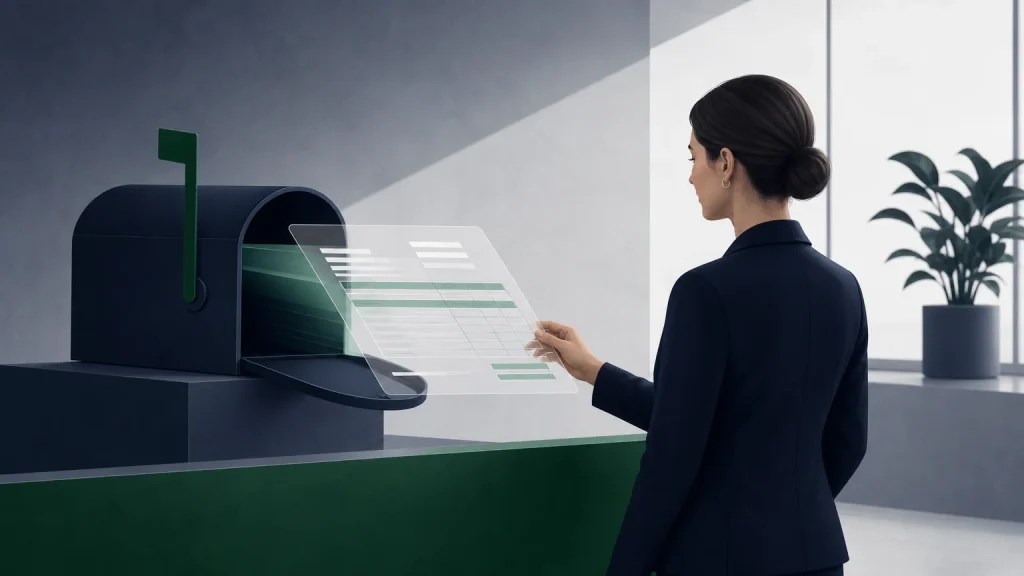
Receiving e-invoices: What businesses need to be able to do now
Businesses have generally had to be able to receive e-invoices since 1 January 2025, regardless of the transition periods for issuing them.
Link the correction or cancellation invoice to the original invoice. Compare the change and have the updated amount approved. Both originals and the decision remain linked to the transaction.
View plansIn the current scope of services: Starter, Business, Scale.
A correction invoice is a separate document. First, confirm which original invoice it relates to. Then specify whether it replaces that invoice, increases or reduces the amount, or cancels it entirely.
The change is presented together with its effects on the original invoice version. The updated version is adopted only after the required approval. The history and both originals remain traceable.
An open change blocks new payment preparations for the affected transaction. Already paid invoices and ongoing payment preparations must be explicitly clarified. The change voucher is not additionally paid as an independent invoice.
You assign the correction document to the original invoice and check the reduction. After approval, the confirmed new status is valid for further processing.
Check the extracted invoice data directly beside the original. Fill in missing details and confirm the reviewed data in one shared view.
Create invoices with customer data and catalogue items. Choose PDF, XRechnung or ZUGFeRD and keep track of originals and cancellations.
‘Could you take a quick look?’ becomes a traceable step. Organise invoice content checks and approvals with clear responsibilities.
Businesses have generally had to be able to receive e-invoices since 1 January 2025, regardless of the transition periods for issuing them.
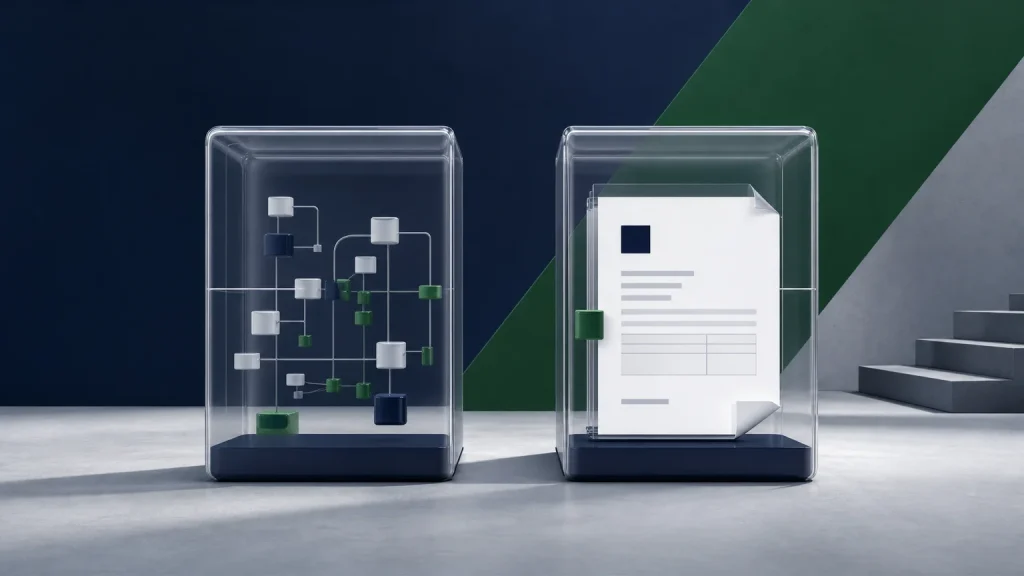
German law does not designate either XRechnung or ZUGFeRD as the sole winning format. This comparison shows how data structure, profiles and recipient requirements determine the right choice for self-employed people and SMEs.


