Read invoices automatically.

Fixed rules first. AI only for exceptions. allinvoice reads your invoices automatically and prepares the data for your bookkeeping. We rely primarily on deterministic methods to reduce avoidable errors caused by AI.

View plans

In the current scope of services: Starter, Business, Scale.

Invoice
Invoice numberRE-2026-1042
Net amount100,00 €
VAT19,00 €
Total amount119,00 €
RE-2026-1042
100,00 € + 19,00 €
119,00 €

Why we first work with fixed rules

An IBAN has a fixed structure. Amounts can be recalculated. Information such as “Invoice number” or “Due on” helps you find the associated values on an invoice.

For such tasks we use deterministic methods, i.e. fixed rules. In doing so, we also take into account where a statement is on the document and what labelling is associated with it. Multiple matching features help to uniquely assign a value.

This is quick and understandable. A language model would introduce an additional source of error here. That is why we only use AI where deterministic recognition is not sufficient.

Which information is read out?

allinvoice captures the supplier, invoice number, invoice date, amounts, VAT, currency, due date and bank details. It also captures line items and service periods where these are stated on the document.

In the case of an e-invoice, the existing XML data is read directly. For scans and photos, the text is recognized first. The data is then assigned and checked.

Supplier
Invoice number
Invoice date
Total amount
Currency
Due date
Bankverbindung
Invoice line items

What we use AI for

We first identify invoice items using deterministic methods. Only when a table format cannot be clearly assigned, AI is exceptionally used. We use these outliers to expand deterministic recognition and further reduce the use of AI.

The requests run through our own model proxy. This pseudonymizes the data before transmission. We use different models from different providers, including OpenAI. Only the required invoice items are transmitted, separately from the other invoice data and without personal or attributable information.

If the associated invoice lines cannot be reliably separated from the rest of the document, we use local models. In these cases, no document content is transferred to external model providers.

A simple example

An invoice shows 100 € net, 19 € VAT and 129 € total. The software calculates as follows: 100 € + 19 € results in 119 €. The total amount stated does not match the individual amounts. No AI is needed for this. You can then check the discrepancy on the original and clarify it with the invoice issuer.

Automatically read out. Check on the original.

The invoice and the identified details are available to you together. This allows you to compare amounts, invoice numbers and bank details directly with the original and correct them if necessary.

The software takes the typing and many recurring tests away from you. The person who checks the invoice knows whether the invoiced service has actually been provided.

Enter it once. Use it for the next steps.

After checking, the details are used for searches, due dates, approvals and exports. You do not need to enter the invoice data again for each task. Review and approval remain separate steps.

Here it continues.

Invoice inbox email

Send invoices, quotations, delivery notes and contracts to your document email address. allinvoice recognises the document type, assigns the documents to your company and files them automatically. You save yourself the work of downloading, sorting and filing attachments.

E-invoices

Read structured e-invoices directly, technically validate them and switch between plain text and XML. The original data remains unchanged.

Invoice approval

‘Could you take a quick look?’ becomes a traceable step. Organise invoice content checks and approvals with clear responsibilities.

Latest articles

All articles
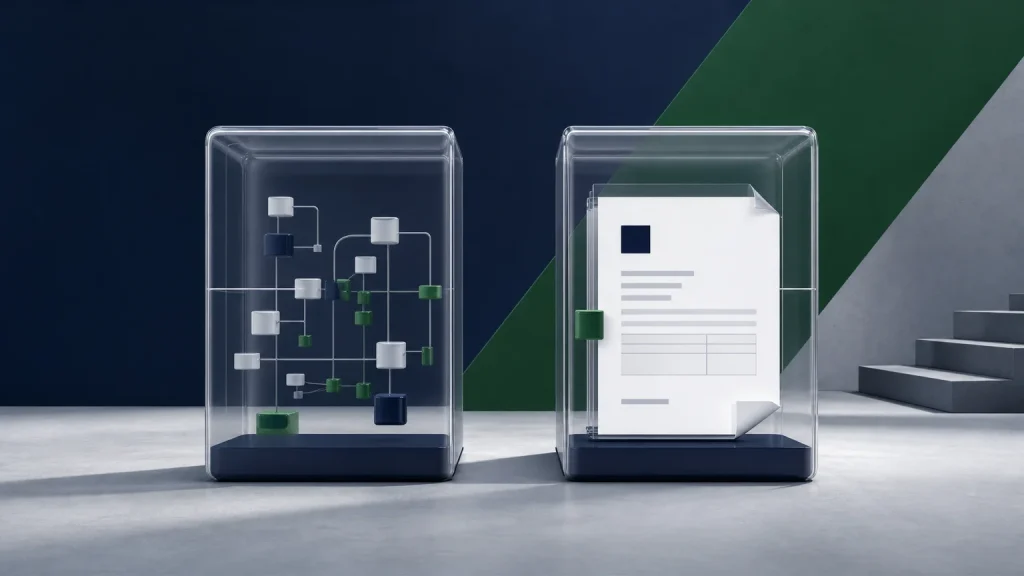
Two equivalent transparent document containers: structured data on the left and a visible document with embedded data on the right

XRechnung or ZUGFeRD? Which format will prevail?

German law does not designate either XRechnung or ZUGFeRD as the sole winning format. This comparison shows how data structure, profiles and recipient requirements determine the right choice for self-employed people and SMEs.

7 min read

More to read

Read the guides
Scroll to top
Select individual services

Login and security, forms, shopping cart and saving your cookie choices. These functions remain available.

ii_consent_fd0feb0ed55c: your choice and consent record identifier for 180 days, for this website only. Session and login cookies remain valid for the relevant session or login period.

PrivacyLegal noticeYour selection applies only to allinvoice.de