
Receiving e-invoices: What businesses need to be able to do now
Businesses have generally had to be able to receive e-invoices since 1 January 2025, regardless of the transition periods for issuing them. This guide explains when an email inbox…
Practical knowledge for self-employed persons, companies, corporations and associations.
Businesses have generally had to be able to receive e-invoices since 1 January 2025, regardless of the transition periods for issuing them. This guide explains when an email inbox…
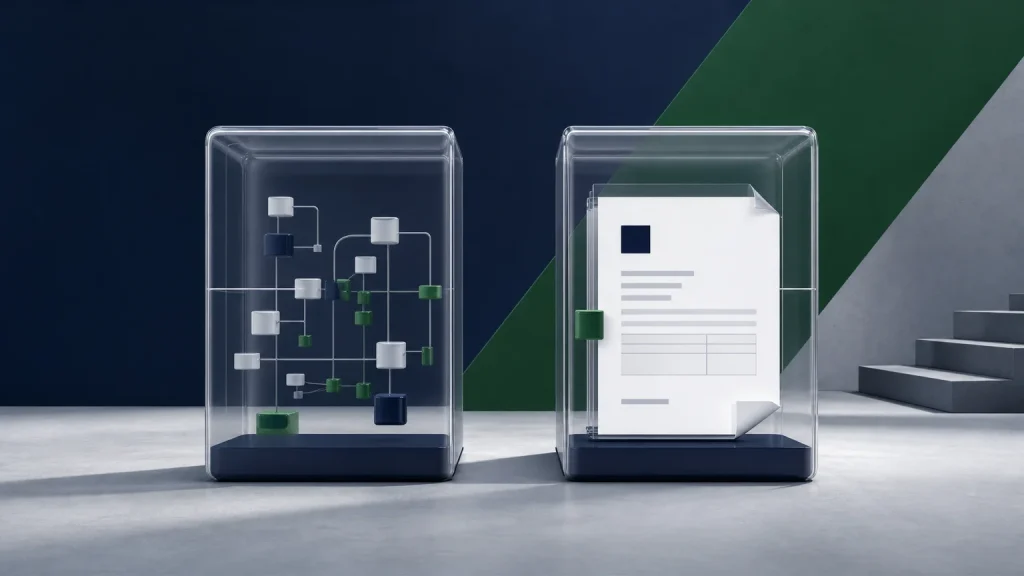
German law does not designate either XRechnung or ZUGFeRD as the sole winning format. This comparison shows how data structure, profiles and recipient requirements determine the right choice for…

From 2027, businesses whose relevant total turnover in 2026 exceeded 800,000 euros must generally issue e-invoices for domestic B2B transactions covered by the rules. Exactly 800,000 euros does not…
In 2028, the transition period for issuing e-invoices ends for the domestic B2B transactions covered by the rules, rather than for every invoice. Which businesses need to switch in…
From January 2027, not every business has to issue e-invoices. Relevant factors include total turnover in 2026 and statutory exemptions. Which threshold applies, why exactly 800,000 euros is still…
An ordinary PDF invoice is not an e-invoice for German VAT purposes, but a hybrid PDF can contain one. What matters is structured invoice data, rather than the filename,…